
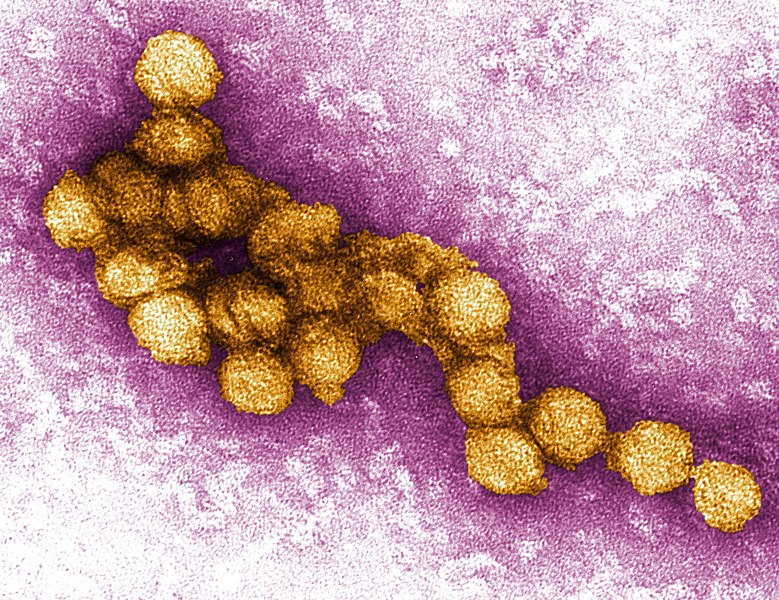
Toronto/CMEDIA: Just days after mosquitoes in York and Halton regions.reportedly tested positive, a batch of mosquitoes in Toronto has tested positive for West Nile virus, Toronto Public Health said.
‘These mosquitoes are the first to test positive for West Nile virus — an infection transmitted to people through the bite of an infected mosquito — in Toronto this year,” said a Toronto Public Health news release.
Every year, TPH conducts mosquito surveillance from mid-June until mid-September and once a week, 22 traps are set across Toronto to collect mosquitoes. The mosquitoes are then submitted to a laboratory for identification and testing.
While the risk of getting infected with West Nile virus in Toronto is low, public health officials advise residents to take following precautions to avoid bites from mosquitoes:
- Wear light-coloured clothing, long pants and long-sleeved shirts when outdoors.
- Apply a Health Canada- approved insect repellent when outdoors, following the manufacturer’s instructions.
- Take extra care during peak mosquito-biting hours (dusk and dawn) by using repellent and covering up.
- Ensure windows and doors have tight-fitting screens and do not have holes.
- Remove standing water from properties, so mosquitoes do not have a place to lay their eggs. Standing water includes any water that collects in items such as pool covers, buckets, planters, toys and waste containers.
Symptoms of West Nile virus usually develop between two and 14 days after a person is bitten by an infected mosquito and may include fever, headache, nausea, vomiting, body aches, skin rash and swollen lymph glands.
Adults aged 50 and older and individuals with compromised immune systems are at higher risk of severe illness. Anyone concerned about symptoms should contact their health-care provider.
Learn more about West Nile virus and how to reduce the risk of infection on the City of Toronto’s West Nile virus webpage.
The positive test was confirmed Thursday by York Region, while Halton Region confirmed the positive test July 2.
In York Region, the positive tests were found in two mosquito traps in Markham.
According to Halton Region, mosquitoes with the virus are more common in urban areas,
The region said in a news release that most people who are infected don’t have any symptoms, but some may develop fever, headache, body aches, nausea and rashes.
People over the age of 50 or with weakened immune systems are at a greater risk for severe disease, while the majority of people “recover completely.”
The region said some go on to develop severe illnesses affecting the central nervous system.