
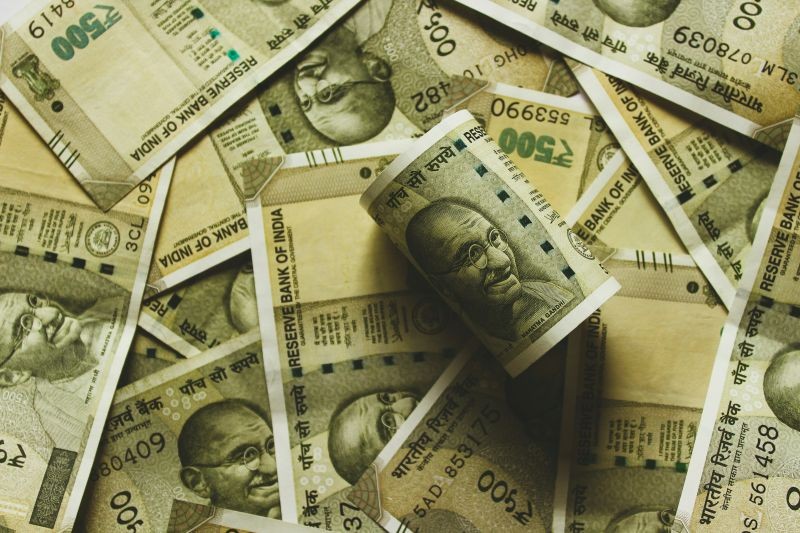
Mumbai/IBNS-CMEDIA: The Reserve Bank of India (RBI) is preparing to introduce polymer banknotes in a pilot project, marking a major step towards overhauling the country’s currency system, NDTV Profit reported.
The central bank is likely to begin the pilot with Rs. 10 and Rs. 20 denomination notes, while a full-scale rollout is expected in 2027, according to the report.
Pilot to begin with lower denomination notes
As part of the initial phase, the RBI is expected to issue polymer versions of Rs. 10 and Rs. 20 banknotes to assess their durability and public acceptance before expanding the programme.
Paper and polymer notes to coexist
The introduction of polymer banknotes will not replace paper currency entirely.
Instead, both paper and polymer notes will remain in circulation simultaneously, with the new polymer currency being introduced gradually in phases while existing paper notes continue to be used.
Decade-old proposal revived
The RBI has reportedly revived its decade-old proposal to introduce plastic currency notes amid a rise in demand for banknotes.
The proposal was discussed during recent RBI Board meetings held in Patna and Mumbai, the report said.
Why Plastic Notes?
Polymer or plastic currency notes are considered advantageous both economically and from a sustainability perspective.
These notes are cheaper to produce, more durable, and have a longer lifespan compared to traditional paper currency.
The cost of producing paper currency notes rose sharply to Rs. 6,372.8 crore in 2024-25 from Rs. 5,101.4 crore in the previous financial year.
Soiled Notes Becoming A Challenge
Data also showed that 23.8 billion soiled banknotes were disposed of in FY25, marking a significant increase from 21.24 billion pieces in the previous fiscal year.
According to Business Standard, sources familiar with the matter said: “There are clear advantages in the cost of production of such notes compared to the paper notes currently being used.
“Moreover, automated teller machines (ATMs) would be enabled to dispense polymer-based notes. We have the wherewithal to do this now.”
Focus On Lower Denomination Notes
Demand for lower denomination notes such as Rs. 10 and Rs. 20 remains significantly high, though their share in overall circulation continues to stay low.
The RBI’s earlier efforts to encourage the use of coins as a replacement for small-value notes reportedly failed to achieve the desired results.