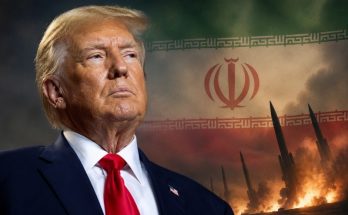
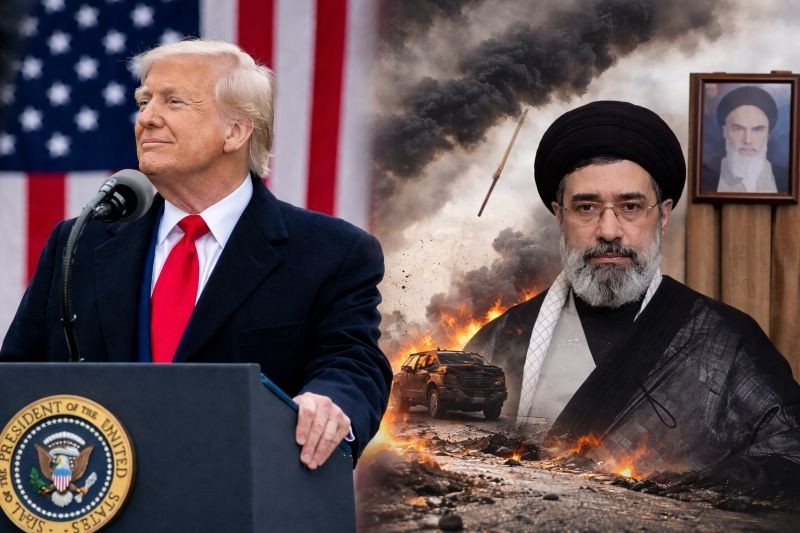
IBNS-CMEDIA: US President Donald Trump has claimed that the United States has effectively ended its ongoing conflict with Iran, although Tehran has yet to confirm any such breakthrough.
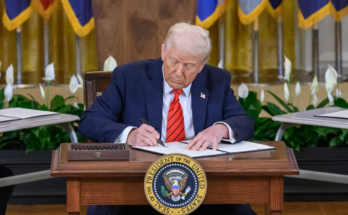
“We just made a great settlement of the war with Iran,” Trump told reporters in the Oval Office on Thursday, according to the BBC.
In a separate post on Truth Social, Trump announced that planned US military action against Iran had been called off.
“Based on the fact that discussions with the Islamic Republic of Iran have been brought to the highest level of Iranian leadership and approved, I have, as President of the United States of America, cancelled the scheduled strikes and bombings against Iran this evening,” he wrote.
Trump further said that the broad contours of an agreement had been approved by multiple regional stakeholders.
“Discussions and final points have been, in both concept and great detail, approved by all parties involved, including the United States, Israel, Saudi Arabia, UAE, Qatar, Turkey, Pakistan, Bahrain, Kuwait, Jordan, Egypt and others,” he said.
He added that the naval blockade would remain in place until the agreement is formally finalised.
“The Naval Blockade will remain in full force and effect until this Transaction is finalized — Time and place of the signing to be announced shortly,” Trump stated.
However, Iran has cast doubt on Trump’s claims. Iranian Foreign Ministry spokesperson Esmail Baghaei told state television that reports of an agreement were “speculative” and that “nothing has been finalised”, according to the BBC.
Trump had previously expressed optimism about reaching a deal with Tehran, but those efforts did not result in a formal agreement.
The conflict began on February 28 when the United States and Israel launched extensive strikes against Iran. Tehran responded with multiple retaliatory attacks targeting several countries across the Middle East.
The escalation led to the closure of the Strait of Hormuz, one of the world’s most strategically important shipping routes for oil and liquefied natural gas exports.
Although Washington and Tehran agreed to a ceasefire in April, sporadic hostilities continued, including two rounds of tit-for-tat strikes earlier this week.
More than 100 days after the conflict began, disruptions in the Strait of Hormuz continue to have far-reaching economic and humanitarian consequences. The impact has extended well beyond the Middle East, affecting global shipping networks, aid deliveries, agricultural supply chains, food markets, energy prices and households worldwide.