
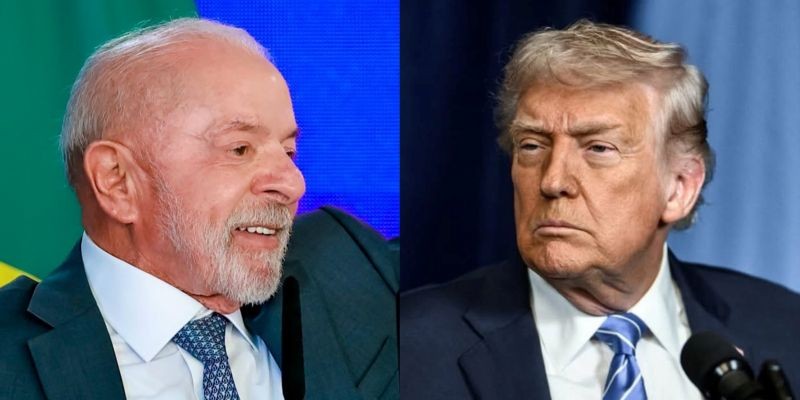
Brasilia/IBNS-CMEDIA: Leftist leader Luiz Inácio Lula da Silva has asserted Brazil’s national sovereignty in an apparent swipe at the United States after winning a fourth, non-consecutive term as President, declaring that the Latin American nation would not be treated as anyone’s backyard.
“Brazil is no one’s backyard,” Lula said after defeating far-right candidate Flávio Bolsonaro, who had advocated closer ties with the administration of US President Donald Trump.
At 80, Lula defeated Flávio, the eldest son of former Brazilian President Jair Bolsonaro, by more than three percentage points in the presidential runoff held on October 25.
Lula secured 51.79% of the valid votes, ahead of Flávio Bolsonaro, who received 48.21%, according to Brazil’s Superior Electoral Court.
Lula’s victory is significant as he overcame a first-round deficit against Bolsonaro amid concerns over rising living costs and lingering political controversies surrounding his Workers’ Party.
Lula thanks voters, hails democratic participation
In a post on X following his victory, a jubilant Lula thanked Brazilian voters, particularly young people who had participated in demonstrations in defence of democracy.
“My eternal gratitude to the Brazilian people, to the youth who took to the streets in defense of democracy, and to every person who made an immense effort to vote and defend the future of our country,” he wrote.
“You all move me and renew my hope. This victory belongs to a people who believe, who fight, and who never give up on building a more just, sovereign, and democratic Brazil. Thank you so much, Brazil! This victory is ours. The victory belongs to the Brazilian people!” he added.
Why Lula’s victory matters in the context of the US
Lula’s re-election comes amid tensions between Washington and Brasilia over trade, economic policy and Brazil’s approach to international relations.
Trump’s administration has exerted economic pressure on Brazil, including through tariffs, while the Bolsonaro family has maintained political ties with the US President.
Lula’s emphasis on national sovereignty therefore signals his intention to resist external pressure and preserve Brazil’s independence in shaping its domestic and foreign policies.
The election also carries broader geopolitical implications. Lula has advocated a greater role for developing countries in global decision-making and pursued diplomatic engagement with major powers, including China and the United States.
His victory means Brazil is set to continue under a government that stresses strategic autonomy and multilateral diplomacy, rather than closer political alignment with Washington.
However, the narrow election result underscores the country’s political divisions and the continued strength of the right-wing movement associated with Jair Bolsonaro.
Lula’s fourth term will test his ability to balance relations with the United States, protect Brazil’s economic interests and address domestic concerns over the cost of living and economic inequality.