IBNS-CMEDIA: Iran has reassured India that its energy shipments through the crucial Strait of Hormuz will remain safe despite ongoing disruptions caused by the conflict following joint strikes by the United States and Israel on Tehran on February 28.
In a post on X, the Embassy of Iran in India stated, “Our Indian friends are in safe hands, no worries,” signaling continued cooperation despite rising tensions.
Strategic importance of Hormuz
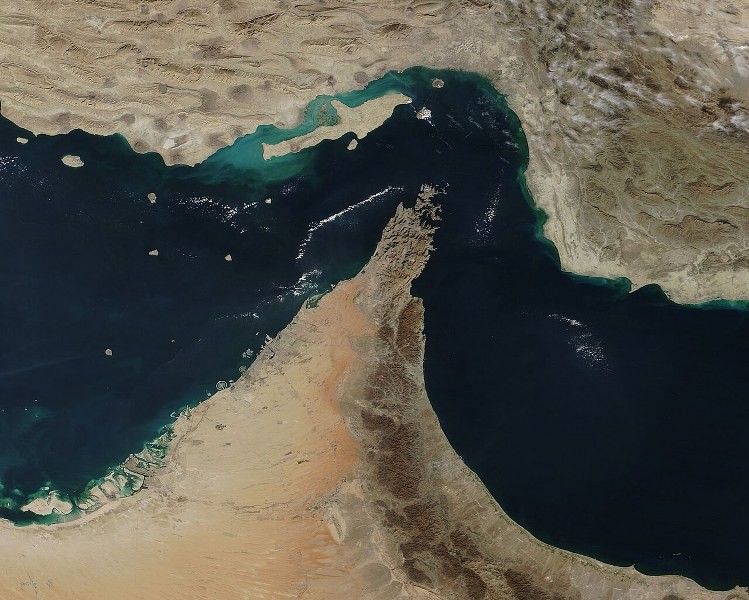
Iran exercises control over the Strait of Hormuz, one of the world’s most critical maritime chokepoints.
Nearly 20% of global energy supplies pass through this narrow corridor, making any disruption highly consequential for global markets.
Since the escalation began, Iran has significantly restricted maritime movement, allowing only select “friendly nations” — including India, China, Russia, Iraq, and Pakistan — limited access.
Eight Indian ships have successfully exited the strait so far. These include LPG carriers BW TYR and BW ELM, transporting about 94,000 tonnes of LPG
However, challenges persist:
- 19 ships carrying energy supplies for India are currently stranded
- 3 LPG vessels
- 4 crude oil tankers
- 3 LNG carriers (foreign-flagged)
- Additional Indian-flagged ships including LPG tankers, crude carriers, and an LNG vessel
Officials revealed that these ships are part of nearly 500 vessels affected by the congestion and restrictions in the narrow waterway.
Broader impact
The disruption in the Strait of Hormuz has already begun affecting global and Indian energy supply chains.
While Iran’s assurance provides some relief, the situation remains volatile, with shipping movement still tightly controlled.