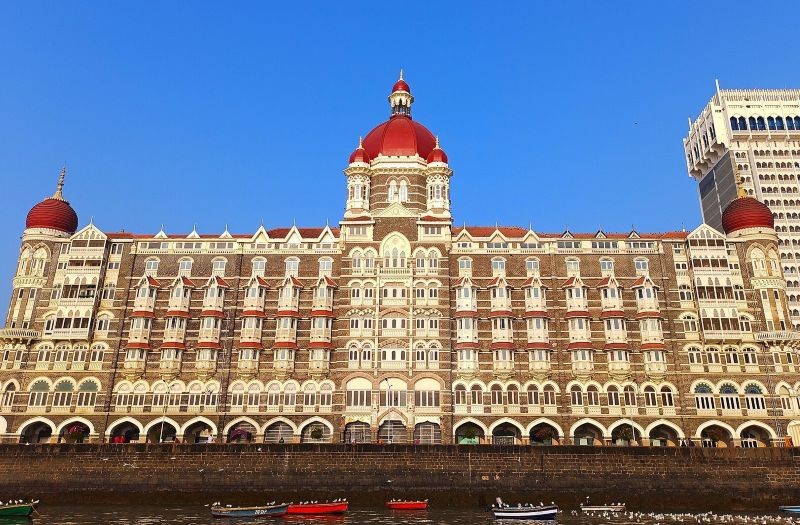
The Brihanmumbai Municipal Corporation (BMC) has issued a fresh demand notice to the iconic Taj Mahal Palace Hotel in Mumbai, asking it to pay Rs 22.03 crore as occupation charges for public roads and footpaths occupied by security installations put in place after the 26/11 Mumbai terror attacks.
The notice pertains to heavy security barricades, bollards and concrete planters installed around the Colaba hotel in June 2009 as part of enhanced anti-terror measures.
Security installations occupy public space
According to civic records, the security infrastructure currently occupies around 800 square metres of public road and over 1,100 square metres of footpath surrounding the heritage hotel.
The BMC has classified the occupation as the use of public land, making it liable for occupation charges under civic regulations.
Concessions withdrawn after policy change
In December 2020, the then BMC Standing Committee had granted the hotel a 50 per cent concession on road occupation charges and a complete waiver of footpath fees, citing national security considerations.
However, in May 2025, the BMC Administrator revoked these concessions, paving the way for the latest demand notice.
Officials said the decision was taken to ensure uniformity after the Bombay Stock Exchange (BSE), which had also received a similar security-related levy, cleared its outstanding dues in full.
BMC warns of steep penalty
The civic body's secondary demand notice states that if the dues are not paid immediately, the outstanding amount will attract an interest penalty of 15 per cent per month.
Hotel seeks exemption
Representatives of the Taj Mahal Palace Hotel are in discussions with senior BMC officials, arguing that the barricades and other security measures were installed solely to safeguard the public following the 2008 Mumbai terror attacks.
The hotel has maintained that the installations serve a public safety purpose rather than a commercial one and therefore should remain exempt from occupation charges.