Plumber beats MBA in the age of AI, says India’s Chief Economic Adviser

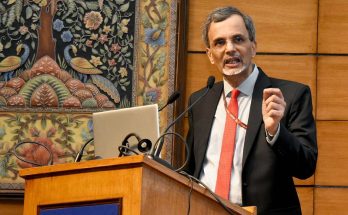
Speaking on an ANI podcast, Nageswaran said India's education system places too much emphasis on traditional academic pathways while undervaluing vocational and trade-based professions.

"The globalising world gave us an advantage for software, computer science or MBA education, but that era is over," Nageswaran said. "It's about trade skills. It's about soft skills which AI cannot easily replace where human presence is required."

#WATCH | India's Chief Economic Advisor (CEA), Dr V. Anantha Nageswaran, says, "… Other countries that have actually grown successful, place a lot of respect on trade skills. In this country, we give them little respect… You should equip yourself with trade skills. The… pic.twitter.com/wb1QqGW0zz
— ANI (@ANI) June 14, 2026

Responding to a question about what advice he would give a 22-year-old planning a conventional route of higher education and competitive examinations, Nageswaran said employability increasingly depends on acquiring skills that technology cannot easily replicate.

He cited professions such as welding, plumbing, electrical work and carpentry, arguing that India has historically failed to accord them the respect they receive in countries such as Germany, Switzerland, Japan and South Korea.​ "These are the areas where technological advance cannot take away your employability," he said.

Nageswaran also pointed to occupations requiring human interaction, including counselling, caregiving and culinary services, as fields likely to remain resilient in an AI-driven economy.

Referring to a young chef who had expressed frustration about earning less than some of his peers, Nageswaran said he advised him to focus on the long-term value of his profession rather than social media comparisons.

"As a chef, you cannot be replaced by AI," he said. "You have learnt a skill which cannot be replicated by technology."

The chief economic adviser said India should also pay greater attention to public health as a driver of economic growth, warning that the country risks becoming "unhealthier before becoming richer".

He cited rising obesity levels highlighted in recent health surveys and argued that physical and mental well-being are critical to labour productivity and long-term economic performance.

"We need to worry more about becoming unhealthier before we become older rather than becoming older before we become richer," Nageswaran said.

He said economic growth depends not only on investment and technology but also on the quality of human capital, adding that healthier workers are likely to be more productive, employable and economically resilient.

Nageswaran's comments come amid growing debate over the impact of artificial intelligence on white-collar jobs, increasing corporte layoffs and the future of the global job market.

Read More

MBA, software edge fading as AI reshapes jobs, says ​India’s Chief Economic Adviser Nageswaran

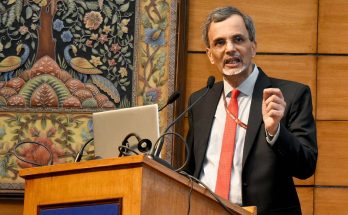
Speaking on an ANI podcast, Nageswaran said India's education system places too much emphasis on traditional academic pathways while undervaluing vocational and trade-based professions.

"The globalising world gave us an advantage for software, computer science or MBA education, but that era is over," Nageswaran said. "It's about trade skills. It's about soft skills which AI cannot easily replace where human presence is required."

#WATCH | India's Chief Economic Advisor (CEA), Dr V. Anantha Nageswaran, says, "… Other countries that have actually grown successful, place a lot of respect on trade skills. In this country, we give them little respect… You should equip yourself with trade skills. The… pic.twitter.com/wb1QqGW0zz
— ANI (@ANI) June 14, 2026

Responding to a question about what advice he would give a 22-year-old planning a conventional route of higher education and competitive examinations, Nageswaran said employability increasingly depends on acquiring skills that technology cannot easily replicate.

He cited professions such as welding, plumbing, electrical work and carpentry, arguing that India has historically failed to accord them the respect they receive in countries such as Germany, Switzerland, Japan and South Korea.​ "These are the areas where technological advance cannot take away your employability," he said.

Nageswaran also pointed to occupations requiring human interaction, including counselling, caregiving and culinary services, as fields likely to remain resilient in an AI-driven economy.

Referring to a young chef who had expressed frustration about earning less than some of his peers, Nageswaran said he advised him to focus on the long-term value of his profession rather than social media comparisons.

"As a chef, you cannot be replaced by AI," he said. "You have learnt a skill which cannot be replicated by technology."

The chief economic adviser said India should also pay greater attention to public health as a driver of economic growth, warning that the country risks becoming "unhealthier before becoming richer".

He cited rising obesity levels highlighted in recent health surveys and argued that physical and mental well-being are critical to labour productivity and long-term economic performance.

"We need to worry more about becoming unhealthier before we become older rather than becoming older before we become richer," Nageswaran said.

He said economic growth depends not only on investment and technology but also on the quality of human capital, adding that healthier workers are likely to be more productive, employable and economically resilient.

Nageswaran's comments come amid growing debate over the impact of artificial intelligence on white-collar jobs, increasing corporte layoffs and the future of the global job market.

Read More