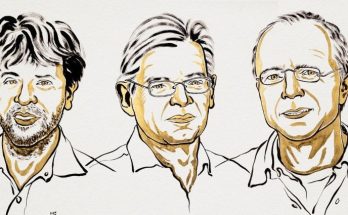
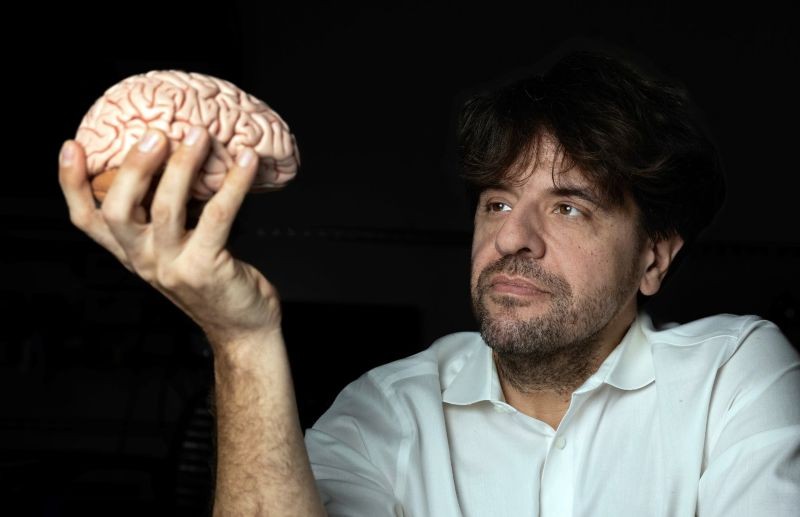
IBNS-CMEDIA: American neuroscientist, psychiatrist and bioengineer Karl Deisseroth has been awarded the 2026 Nobel Prize in Physiology or Medicine.
Deisseroth was jointly awarded the prestigious prize with German scientists Peter Hegemann and Georg Nagel for pioneering discoveries involving light-gated ion channels and the development of optogenetics.
He is best known for pioneering optogenetics, a revolutionary technique that allows scientists to control specific nerve cells using light.
“There is a big picture that brings it all into relief and my hope is that we can increase empathy and understanding,” says Karl Deisseroth.
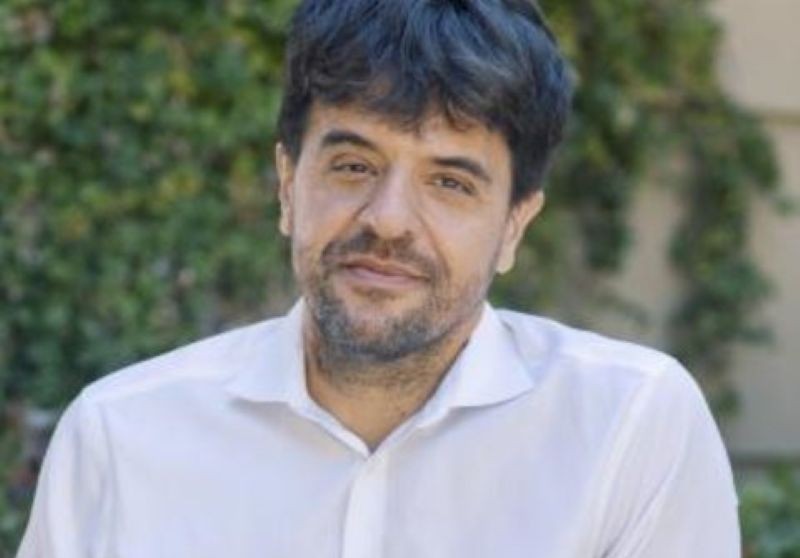 Photo: Stanford University website
Who is Karl Deisseroth?
Karl Deisseroth is the D.H. Chen Professor of Bioengineering and of Psychiatry and Behavioral Sciences at Stanford University and an Investigator of the Howard Hughes Medical Institute.
According to information available, he received his undergraduate degree from Harvard University, followed by his PhD and MD from Stanford University.
He also completed postdoctoral training, medical internship and adult psychiatry residency at Stanford. He is board-certified by the American Board of Psychiatry and Neurology.
Deisseroth continues to practise psychiatry at Stanford, specialising in affective disorders and autism-spectrum disorders, and uses medications as well as neural stimulation in treatment.
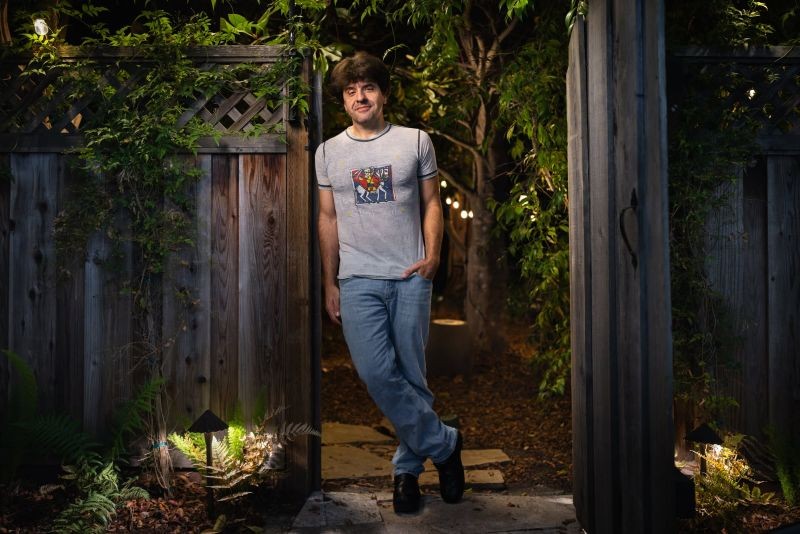 Photo: Stanford School of Engineering Facebook
Why is Deisseroth important?
Optogenetics combines genetics and optics. Scientists introduce light-sensitive proteins called opsins into specific neurons.
By shining light on these cells, researchers can switch their activity on or off with remarkable precision. The technique has transformed the study of how brain circuits control movement, memory, emotions and behaviour.
Deisseroth played a key role in turning optogenetics into a practical neuroscience tool that is now used in laboratories around the world.
His research has also helped scientists investigate neurological and psychiatric conditions including depression, autism, schizophrenia, epilepsy and Parkinson’s disease.
 Photo: Nobel Prize/Facebook
Karl Deisseroth: Background
Born: November 18, 1971, Boston, Massachusetts
Undergraduate degree: Harvard University, biochemical sciences
PhD: Neuroscience, Stanford University, 1998
MD: Stanford School of Medicine, 2000
Current role: D.H. Chen Professor of Bioengineering and Psychiatry and Behavioral Sciences, Stanford University
Also: Investigator, Howard Hughes Medical Institute
Deisseroth as a practising psychiatrist
Alongside his research career, Deisseroth continues to work as a practising psychiatrist at Stanford.
His clinical work focuses on affective disorders and autism-spectrum disorders, where he employs medication and neural stimulation as part of treatment.