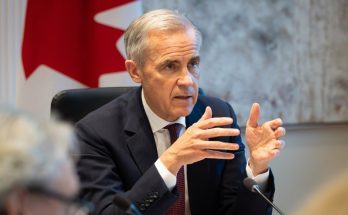

Ottawa/CMEDIA: Co-chaired by Stephanie McLean, Secretary of State (Seniors), and John Main, Premier of Nunavut and Minister responsible for Seniors, productive discussions on key priorities reportedly to support current and future generations of older Canadians were held over the last two days by Canada’s Federal/Provincial/Territorial Ministers Responsible for Seniors Forum.
“When governments come together with a shared purpose, we create the foundation for a Canada where every older person can thrive. Our collective commitment strengthens communities, inspires progress and ensures that older Canadians are supported with dignity and respect. I look forward to continuing our collaboration with provincial and territorial partners and advancing shared priorities that will make a meaningful difference in the lives of seniors, Stephanie McLean, Secretary of State (Seniors) said.
A demographic shift is underway in Canada driven by one of the fastest-growing senior populations in the country’s history with one in five Canadians now aged 65 or older, and within a generation, older adults will make up a quarter of the population.
With aging Canada, all governments are responsible within the scope of their respective responsibilities, to ensure seniors and Elders can live with dignity and security.
ProvidIng a key opportunity for governments, the forum facilitates discussion on innovative solutions and best practices that support older Canadians. Sharing their respective challenges and successes, ministers from across the country provided updates on initiatives and activities to support seniors and Elders and improve their quality of life.
Ministers committed to establishing a dedicated working group in alignment with these goals and focused on powers of attorney and aims to strengthen protections and develop strategies to prevent the financial mistreatment of seniors and Elders across Canada.
Besides these, Ministers announced the creation of a second working group focused on assistive technology, to explore best practices and opportunities for collaboration to help older adults aging in place with dignity regardless of where they live in Canada.
Ministers also reaffirmed their commitment to collaborating on the following priorities for the 2025 to 2029 work cycle:
Affordability and financial security/literacy, Aging in place, healthy aging and wellness, and Service navigation support for seniors
With the evolving population, governments will keep building a Canada that works for everyone, at every stage of life. Because at the end of the day, the future of aging is everyone’s future.
The federal government will co-chair the next session of the forum with the Government of Alberta, continuing the important work of collaboration and progress.
Note: All governments contribute to the Federal/Provincial/Territorial Ministers Responsible for Seniors Forum by sharing information and innovative practices. Quebec intends to continue to fully assume its responsibilities toward seniors within its territory and does not subscribe to a pan-Canadian approach, but it will continue to collaborate with the forum to share best practices, experiences and expertise in the field.
An intergovernmental body of the Federal/Provincial/Territorial Ministers Responsible for Seniors Forum is established to share information, discuss new and emerging issues related to older persons, and work collaboratively on key projects.
Ministers approved the five remaining reports from the 2022 to 2025 work cycle during this year’s forum including one report on innovative housing models for diverse older adults in Canada, two on policy and program options to prevent and address senior abuse, and two on the role of technology in enhancing aging in place and encouraging the safe and effective use of social media by seniors. The reports will be available on the forum’s website in the coming months.