
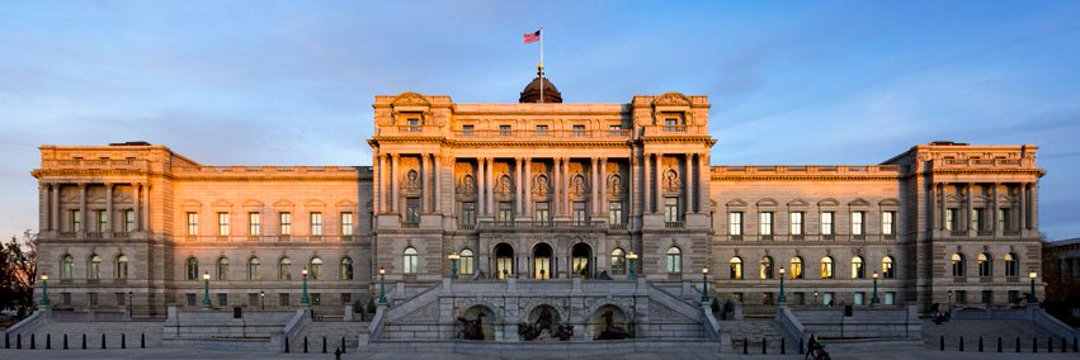
Washington/CMEDIA: The Music Division in the Library of Congress (LoC) is reportedly pleased to announce the acquisition of a first edition of “The Anacreontic Song,” from which our national anthem, “The Star-Spangled Banner,” is derived.
This edition joins our other first edition, which became part of the national collection in 1914.
Only 12 documented copies of this rare edition are known to have survived.
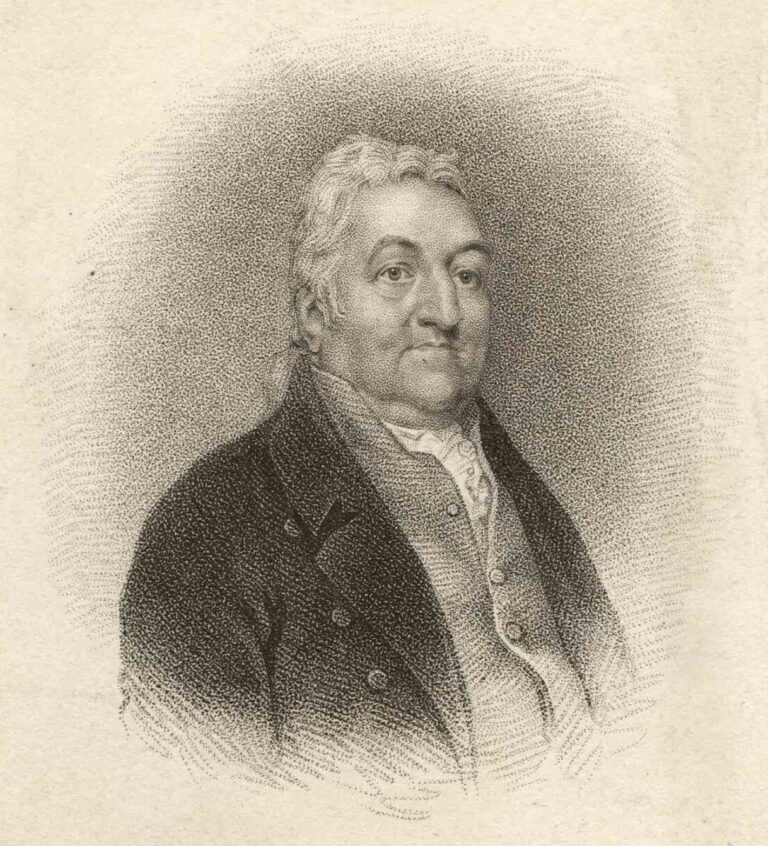
Portrait of John Stafford Smith, at about age 70, from the frontispiece of “The Apollo or Harmonist in Miniature,” vol. 2 (London, 1822). The engraving, by Thomas Illman, is from the original drawing by William Behnes. Photo credit: Library of Congress
A gentleman’s musical and social club, the Anacreontic Society of London existed from about 1766 to 1792.
Included in the membership of the organization are professional men with a decided interest in good music.
About two hours after the duration of the concert of instrumental and vocal selections, the meetings began and included the appearance of Franz Joseph Haydn in January 1791 as a guest of the society at which one of his symphonies was performed.
Following the concert, the dinner at the banquet hall and fellowship, the members returned to the concert rooms, adorned with small tables for post-prandial singing, solos, comic airs, and glees, performed by the membership.
During the evening’s event, the club’s official ceremonial song, “The Anacreontic Song,” was sung by the president or his official designee during which the assembled members would stand and, with hands joined, sing the last two lines of the final stanza.
Composed by the distinguished British composer, organist, and musicologist John Stafford Smith (1750-1856), the music’s words were authored between 1773 and 1776 by club president Ralph Tomlinson (1744-1778).
Soon after its publication, the song which made its way to the American shores, became immensely popular with the general public and by 1820, more than 84 different American parodies of the tune—with new lyrics—were available.
During the War of 1812, a young and distinguished attorney, Francis Scott Key (1779-1843), penned a poetical description of his firsthand account of the battle of Fort McHenry near Baltimore. Within days, his poem titled “The Defence of Fort M’ Henry” was printed with the suggestion that it be sung to the tune of “The Anacreontic Song.”
After 117 years President Herbert Hoover signed legislation designating “The Star-Spangled Banner” as the national anthem of the United States of America on March 3, 1931.
“The Star-Spangled Banner,” as we traditionally sing it, is the only national anthem to end in a question mark, thus challenging us to fully participate in this great experiment in democracy.
The ANACREONTIC SONG
as Sung at the Crown and Anchor Tavern in the Strand
the Words by
RALPH TOMLINSON ESQ R, late President of that SOCIETY.
LONDON
Printed by Longman and Broderip. N o26, Cheapside and N o13, Hay Market Price 6d
To ANACREON in Heav’n, where he sat in full Glee,
A few Sons of Harmony sent a Petition,
That He their Inspirer and Patron wou’d be;
When this Answer arriv’d from the JOLLY OLD GRECIAN
“Voice, Fiddle, and Flute,
“No longer be mute,
“I’ll lend you my Name and inspire you to boot,
“And, besides, I’ll instruct you like me, to intwine
“The Myrtle of VENUS with BACCHUS’s Vine.
The news through OLYMPUS immediately flew;
When OLD THUNDER pretended to give himself Airs_
If these Mortals are suffer’d their Scheme to pursue,
The Devil a Goddess will stay above Stairs.
“Hark! already they cry,
“In Transports of Joy
“Away to the Sons of ANACREON we’ll fly,
“And there, with good Fellows, we’ll learn to intwine
“The Myrtle of VENUS with BACCHUS’S Vine.
“The YELLOW-HAIR’D GOD and his nine fusty Maids
“From HELICON’S Banks will incontinent flee,
“IDALIA will boast but of tenantless Shades,
“And the bi-forked Hill a mere Desart will be
“My Thunder, no fear on’t,
“Shall soon do it’s Errand,
“And, dam’me! I’ll swinge the Ringleaders I warrant,
“I’ll trim the young Dogs, for thus daring to twine
“The Myrtle of VENUS with BACCHUS’S Vine.
APOLLO rose up; and said, “Pr’ythee ne’er quarrel,
“Good King of the Gods with my Vot’ries below:
“Your Thunder is useless_then, shewing his Laurel,
Cry’d. “Sic evitabile fulmen, you know!
“Then over each Head
“My Laurels I’ll spread
“So my Sons from your Crackers no Mischief shall dread,
“Whilst snug in their Club-Room, they Jovially twine
“The Myrtle of VENUS with BACCHUS’S Vine.
Next MOMUS got up, with his risible Phiz,
And swore with APOLLO he’d cheerfull join_
“The full Tide of Harmony still shall be his,
“But the Song, and the Catch, & the Laugh shall bemine
“Then, JOVE, be not jealous
Of these honest Fellows,
Cry’d JOVE, “We relent, since the Truth you now tell us;
“And swear, by OLD STYX, that they long shall entwine
“The Myrtle of VENUS with BACCHUS’S Vine.
Ye Sons of ANACREON, then, join Hand in Hand;
Preserve Unanimity, Friendship, and Love!
‘Tis your’s to support what’s so happily plann’d;
You’ve the Sanction of Gods, and the FIAT of JOVE.
While thus we agree
Our Toast let it be.
May our Club flourish happy, united and free!
And long may the Sons of ANACREON intwine
The Myrtle of VENUS with BACCHUS’S Vine.
This blog was posted by Libby Smigel