Toronto/CMEDIA: The 2025 Report Card on Child and Family Poverty in Canada has reportedly been released by ‘Investing in Tomorrow: A Future Without Poverty Campaign 2000’ drawing on the latest national data to examine the state of child and family poverty across the country.
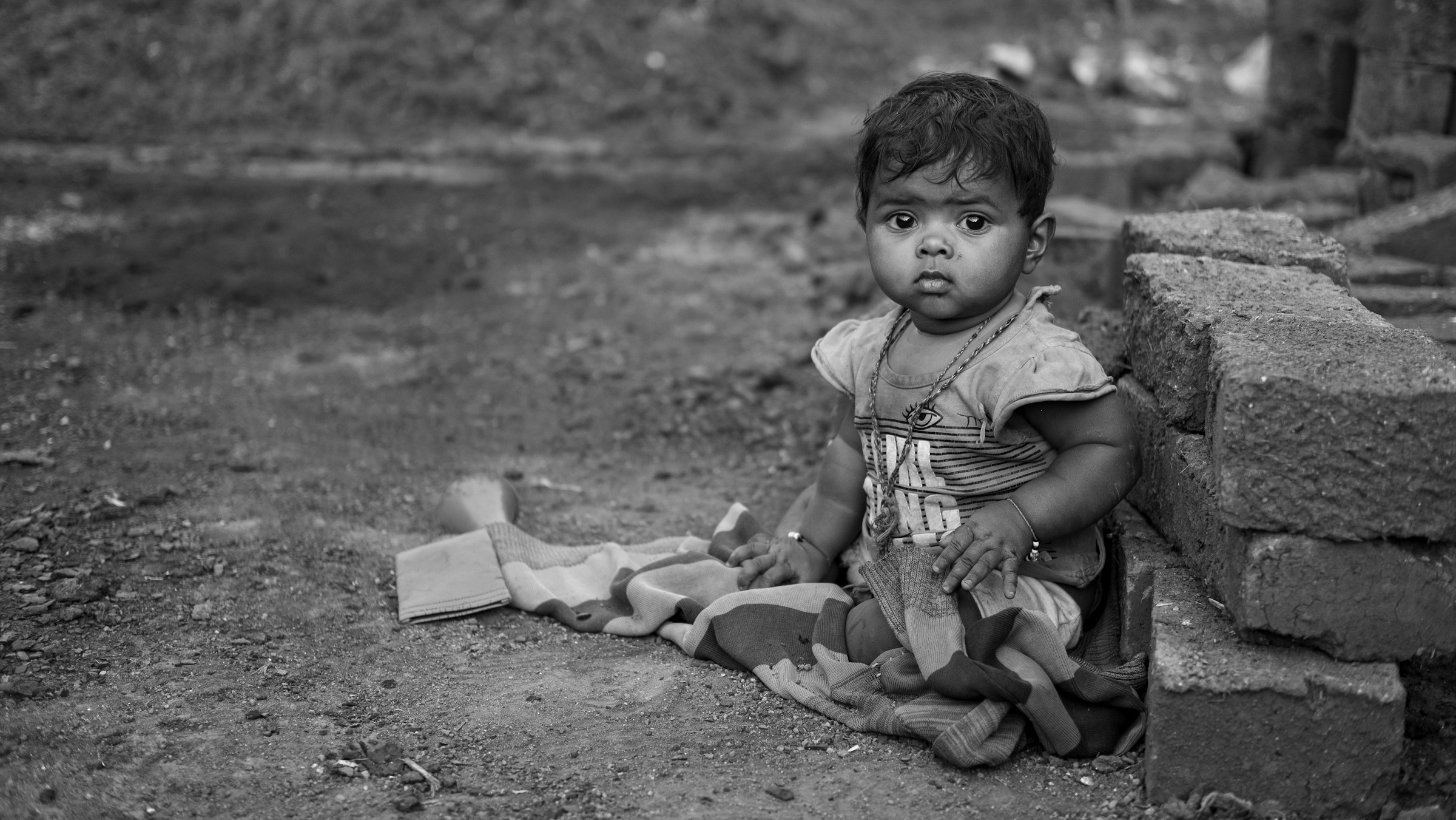
A growing number of children are living in households that struggle to pay bills and buy food, said Campaign 2000, an organization that campaigns to end child poverty.
More than two decades after Canada pledged to eliminate child poverty, progress is moving in the wrong direction with 30,000 more kids falling into poverty in 2023 according to the latest national data available, the 2025 report card from Campaign 2000 said.
With the child poverty rate climbing for the third year in a row, advocates said that efforts to reverse the trend of climbing rates of child poverty are not working.
According to the report and family income data, 1.4 million kids now live in poverty, with single-parent households particularly at risk. That’s a child poverty rate of 18.3 per cent.
Using Canada’s official measure, 802,000 children (10.7%) today live in poverty , and nearly 1.4 million children live in poverty using a broader income measure.
At the current pace, it would take almost 400 years to end child poverty in Canada.
In contrast to 10.1% of children in couple families, 45 percent of children in lone-parent families live in poverty.
The child poverty rate has climbed since 2020, when the government’s pandemic benefits temporarily reduced to 13.5 percent, based on the after-tax family income measure, says the organization.
The report points out that kids are the most likely age group to live in poverty in Canada, with Nunavut having the highest child poverty rate in the country, with nearly 39 per cent of kids living in poverty.
Saskatchewan and Manitoba also had higher-than-average rates, hovering around 27 per cent.
Of all the provinces and territories, Yukon had the lowest child poverty rate of 12 percent because most Yukoners live in Whitehorse, where there are higher-than-average incomes and a stable job market.
Those in rural and remote parts of the Yukon disproportionately face poverty, especially Indigenous Peoples.
The 2025 Report Card calls for restoring the effectiveness of the Canada Child Benefit through a CCB End Poverty Supplement, strengthening Canada’s poverty reduction plan, expanding affordable child care and housing, and addressing systemic inequities faced by marginalized families by ensuring wages and benefits lift families above the poverty line.