IBNS-CMEDIA: India will participate in a high-level meeting involving 35 countries to explore options for reopening the Strait of Hormuz, the Ministry of External Affairs (MEA) confirmed on Thursday.
The United Kingdom has convened the discussions as global concerns intensify over disruptions in one of the world’s most critical energy corridors.
Foreign Secretary Vikram Misri will represent India in the virtual meeting scheduled for later in the day, according to MEA spokesperson Randhir Jaiswal.
The talks aim to address the closure of the strait and assess pathways to restore maritime movement.
Jaiswal stated that the UK has invited multiple nations, including India, to deliberate on the situation.
He confirmed that the Foreign Secretary would participate in the discussions on behalf of New Delhi.
India engages regional stakeholders for safe transit
India has stepped up diplomatic outreach to ensure the uninterrupted movement of its commercial vessels through the region.
Officials confirmed that New Delhi remains in contact with Iran and other regional stakeholders to facilitate safe and unimpeded transit.
The ongoing engagement has already produced results, with six Indian vessels successfully navigating the Strait of Hormuz in recent days.
These ships carried key energy supplies, including liquefied petroleum gas and liquefied natural gas, which are essential for domestic consumption.
Authorities emphasised that communication channels remain active with all relevant parties to sustain safe passage for Indian-flagged vessels.
The government also rejected reports suggesting the existence of any toll-like arrangements for transit through the strait.
Strait of Hormuz’s strategic importance
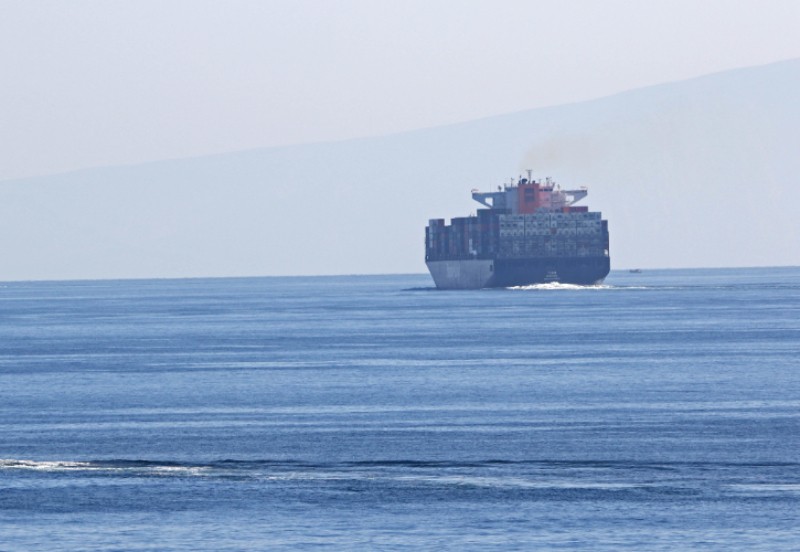
The Strait of Hormuz remains one of the most vital chokepoints in global energy trade.
Around 20 percent of the world’s energy supplies pass through this narrow waterway, making its accessibility critical for global markets.
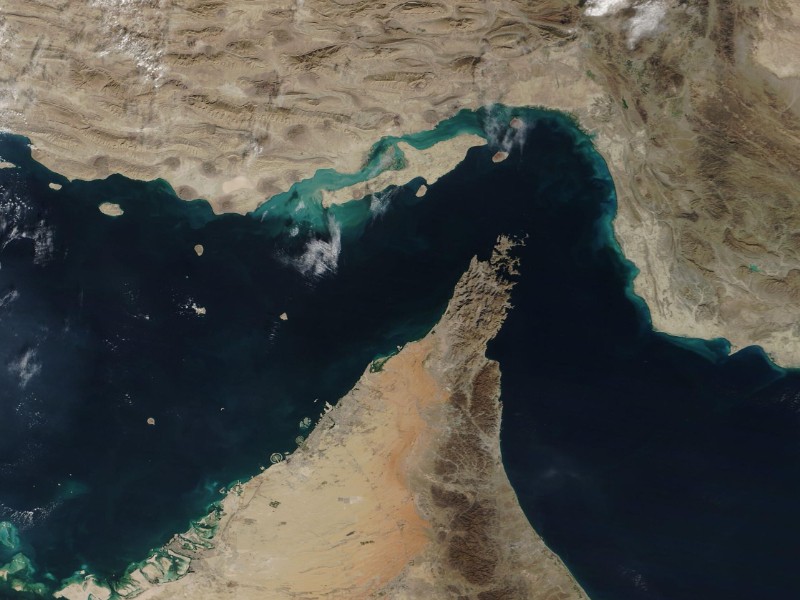
India’s dependence on the route underscores its strategic significance.
Approximately 40 percent of the country’s oil imports, 50 percent of its LNG supplies, and more than 80 percent of its LPG shipments move through the strait.
Any prolonged disruption threatens supply chains and price stability.
The current closure follows escalating tensions in the region after Iran shut the passage in response to military actions involving Israel and the United States.
Diverging signals from Washington
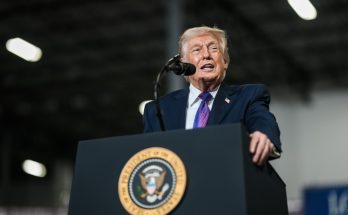
Amid the crisis, US President Donald Trump signalled a shift in Washington’s stance on reopening the strait.
In remarks posted on his social media platform, he urged allied nations to secure their own energy supplies independently.
He suggested that countries facing fuel shortages should turn to US exports or take direct action to access the strait.
His comments marked a departure from earlier indications that reopening the route was a priority for the United States.
Broad coalition seeks maritime security
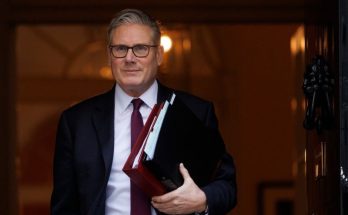
UK Prime Minister Keir Starmer announced that 35 countries, including France, Germany, Italy, Japan, Canada and the United Arab Emirates, have agreed to coordinate efforts aimed at restoring maritime security in the region.
He stated that the meeting would evaluate diplomatic and political measures to ensure freedom of navigation, protect stranded vessels and seafarers, and resume the flow of essential commodities.
Following the discussions, participating countries are expected to hold further engagements at the official level to refine operational details.
Military planners may also be consulted to examine how capabilities can be coordinated to secure the waterway once hostilities subside.
The meeting will be chaired by UK Foreign Secretary Yvette Cooper and is expected to be followed by working-level consultations to finalise the framework for restoring access to the Strait of Hormuz.