
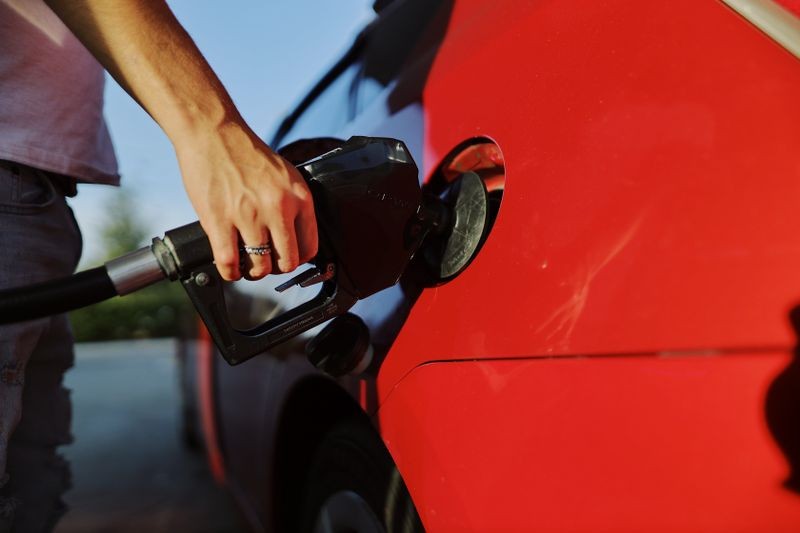
Ottawa/IBNS-CMEDIA: Canada is extending its suspension of the fuel excise tax through January 31, 2027, Secretary of State Stephanie McLean announced Tuesday during a visit to the BC Vehicle Processing Centre at the Port of Nanaimo.
The tax will then be phased back in gradually: from February 1 through March 31, 2027, the government will apply 50 percent of the regular excise rate before rates return to their full levels on April 1, 2027.
Response to trade tensions
The government framed the extension as part of a broader effort to insulate the Canadian economy from forces outside its control. Citing new U.S. tariffs on Canadian goods alongside conflicts in Europe and the Middle East that continue to push up global prices, officials said the focus is on building a more independent and affordable country.
Energy and Natural Resources Minister Tim Hodgson put it directly, “Canadians shouldn’t have to bear the cost of disruptions they didn’t cause, whether from Middle East instability or an unjustified trade war.”
The tax break isn’t new; it was first introduced on April 20, 2026, in response to fuel price pressures stemming from global oil disruptions linked to the Middle East conflict and was originally set to lapse on Labour Day, September 7. The extension pushes that timeline back nearly five months.
What it’s worth to Canadians
Since April, the suspension has cut 10 cents per litre off gasoline and unleaded aviation gasoline, 11 cents off leaded aviation gasoline, and 4 cents off diesel and aviation fuel.
Finance officials estimate the extension will cost the treasury about $2.9 billion in forgone revenue, bringing total fuel tax relief for 2026–27 to roughly $5.3 billion.
Even so, drivers haven’t necessarily felt the full benefit. Gas and diesel prices have climbed sharply since the U.S.-Iran conflict outbreak: up an average of 26.7% for gasoline and 41.4% for diesel, according to GlobalPetrolPrices.com. This means the tax cut has offset only part of the increase at the pump.
Political reactions
The extension drew a mixed response on Parliament Hill and beyond. Conservative Leader Pierre Poilievre claimed credit for pressuring the government into the move, while Ontario Premier Doug Ford called for the suspension to be made permanent.
On the left, NDP Leader Avi Lewis pushed back, arguing that Ottawa should instead impose a windfall tax on energy companies, noting that oil producers are on pace for roughly $100 billion in profits this year.
Ottawa is positioning the fuel tax pause as one piece of a broader affordability agenda that also includes the Canada Groceries and Essentials Benefit, income tax cuts for 22 million Canadians, the cancellation of the consumer carbon tax, and GST relief for first-time buyers of new homes.
(Reporting by Suman Das)