IBNS-CMEDIA: Iran’s chief negotiator in talks with the United States has said Washington has chosen “No to War”, adding that the message was reflected in the major setback suffered by US President Donald Trump and the Republican Party in Wednesday’s midterm elections.
Iranian Parliament Speaker Mohammed Bagher Ghalibaf wrote on X: “Conscience or the cost of living, Americans said NO TO WAR, and we endorse this message.”
Conscience or the cost of living, Americans said NO TO WAR, and we endorse this message. If the US govt betrays their public will to serve international paymasters and blackmailers, it will learn our NO comes with a Nightmare.
— محمدباقر قالیباف | MB Ghalibaf (@mb_ghalibaf) November 4, 2026
“If the US government betrays the will of its people to serve international paymasters and blackmailers, it will learn that our NO comes with a Nightmare,” he added.
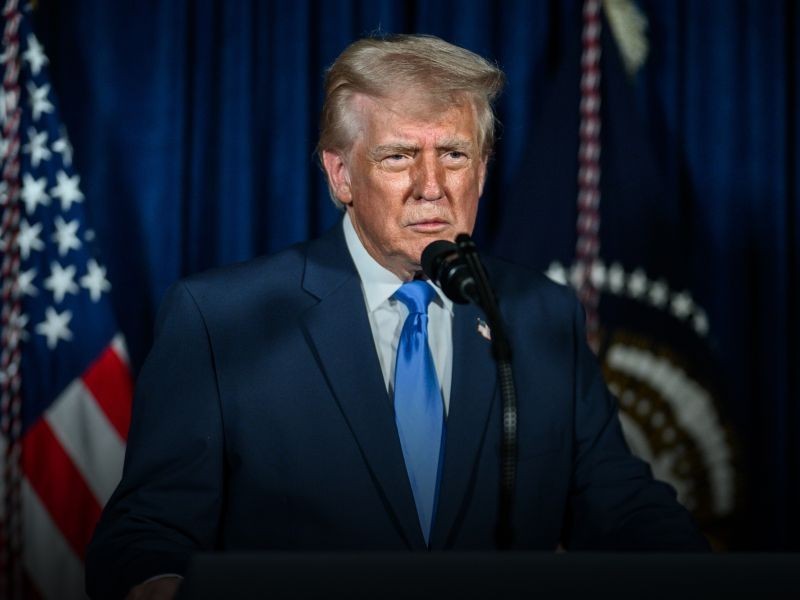
In an interview with Fox News, as quoted by the BBC, Trump acknowledged that the conflict with Iran may have influenced the election results.
“I think a part of it was Iran,” he said.
“People agree with what I’m doing on Iran, but they really probably weren’t willing to face the short-term consequences of paying more for gasoline. I understand that,” the US President added.
In a separate interview with CBS News, Trump was asked whether the war with Iran would now come to an end following the election results.
“It’ll be over when I say it’s over, basically. It’ll end when I say it ends,” he responded.
Democrats take control of Congress
The Democratic Party has won control of both the US Senate and the House of Representatives in the November 3, 2026, midterm elections, dealing a major political setback to Trump and the Republican Party.
The results mark a significant shift in Washington, with Democrats poised to challenge Trump’s legislative agenda, scrutinise his administration and investigate its policies during the final two years of his presidency.
How the US-Israel war with Iran began
The conflict began on February 28, when the United States and Israel launched joint military strikes against Iran, killing Supreme Leader Ayatollah Ali Khamenei and several senior military commanders.
Tehran retaliated by attacking American military bases across the Middle East and shutting down the strategically important Strait of Hormuz, a crucial route for global energy shipments.
The disruption sent oil prices soaring worldwide.
On June 17, Trump and Iranian President Masoud Pezeshkian signed a 14-point agreement aimed at ending the conflict.
The agreement called for an immediate cessation of military operations, including in Lebanon, and committed both sides to negotiating a comprehensive settlement within 60 days.
However, Trump declared the agreement “over” on July 8. Iran suspended the memorandum of understanding a week later, accusing Washington of violating its commitments.
Since then, Trump has repeatedly maintained that he is in no hurry to reach a fresh agreement with Tehran.
Meanwhile, Israeli Prime Minister Benjamin Netanyahu has also stepped up his rhetoric against Iran, repeatedly calling for an end to the country’s clerical regime following two major bombing campaigns since last year.
With Washington maintaining its military readiness and Tehran threatening retaliation, the prospect of renewed confrontation has once again heightened tensions across the Middle East.