IBNS-CMEDIA: Oil shipments through the Strait of Hormuz have slowed to a near standstill, disrupting one of the world’s most critical energy corridors and jolting global markets.
Maritime tracking data indicates that almost 86 percent of normal east–west crude traffic has stalled, creating a bottleneck that threatens to destabilise fuel supplies across Asia and Europe.
According to shipping analytics firms Windward and Kpler, the waterway remains technically open, yet vessel movement has collapsed.
On March 1, just three tankers carrying 2.8 million barrels transited the strait, compared with a 2026 daily average of 19.8 million barrels, while on March 2, only one small tanker and one cargo ship navigated the main shipping lanes.
The congestion has intensified on both sides of the strait.
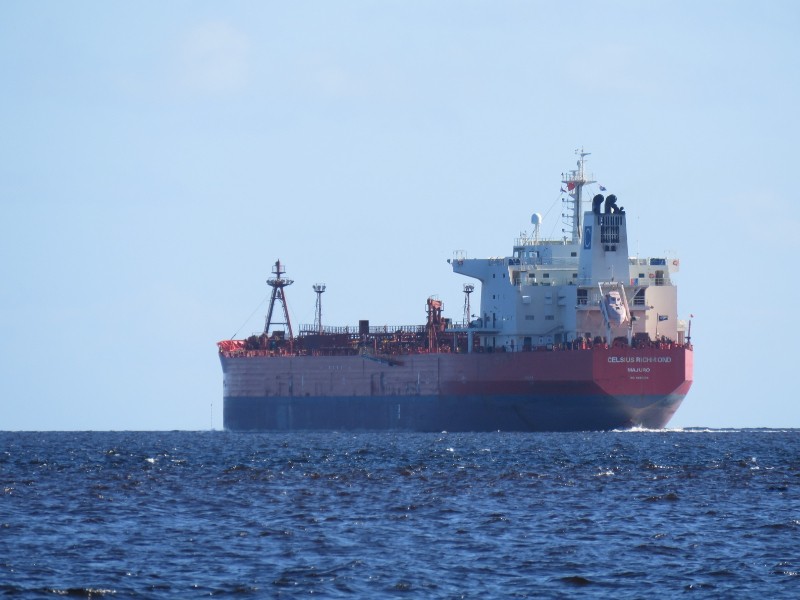
Around 706 non-Iranian tankers now cluster near the chokepoint, including 334 crude carriers, 109 dirty product tankers and 263 clean product vessels.
A further 26 tankers drift within the Gulf without declared destinations, while many more idle in the Gulf of Oman awaiting clarity.
Markets react to supply shock
Energy markets responded immediately. Brent crude jumped nearly 10 percent to about $80 per barrel, reflecting fears of prolonged disruption.
European gas prices surged more than 40 percent after reported attacks struck Saudi Arabia’s Ras Tanura refinery and a Qatari LNG facility, forcing temporary shutdowns and heightening anxiety over regional energy infrastructure.
War-risk insurance premiums for Gulf waters have tightened sharply.
Freight rates for tankers willing to approach Hormuz have climbed, increasing transport costs that typically pass directly into global fuel prices.
If the disruption persists for several days, shipping queues could swell further, and delivery schedules may unravel.
A longer paralysis would compound pressure on refineries already scrambling to secure alternative crude supplies.
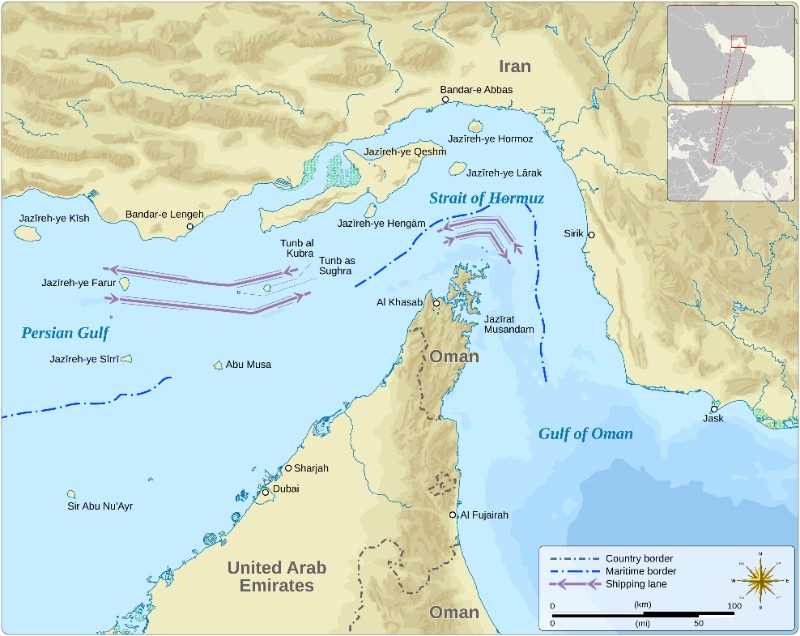 Photo: Wikimedia Commons/Goran_tek-en
Asia scrambles for alternative barrels
Refiners in Asia and Europe have begun seeking replacement cargoes from the US Gulf Coast, West Africa, Brazil and Russia.
China and India remain particularly exposed because of their heavy reliance on Gulf crude.
For India, the disruption strikes at a delicate moment.
India imports a significant share of its crude oil requirements from producers whose shipments pass through the Strait of Hormuz.
Officials in New Delhi have started reviewing contingency plans as the situation evolves.
Multiple media reports suggest authorities are examining measures to protect the domestic supply.
These reportedly include curbing exports of petrol and diesel, increasing purchases of Russian crude and introducing demand-management steps such as potential LPG rationing if supply constraints intensify.
However, these reports remain unverified.
In a statement posted on X, the Ministry of Petroleum and Natural Gas said it was closely monitoring developments after Oil Minister Hardeep Singh Puri reviewed the supply position.
The ministry stated that it would take all necessary steps to ensure the availability and affordability of major petroleum products nationwide.
Exporter at risk of domestic tightening
India plays a significant role in the global fuel trade.
Industry estimates suggest the country exports roughly one-third of its petrol output and around one-quarter of its diesel production.
Any decision to reduce exports would affect international supply chains, particularly in markets dependent on Indian refined products.
Liquefied petroleum gas presents a sharper vulnerability. India imports around 80 to 85 percent of its LPG requirements, with most shipments sourced from Gulf producers via the Strait of Hormuz.
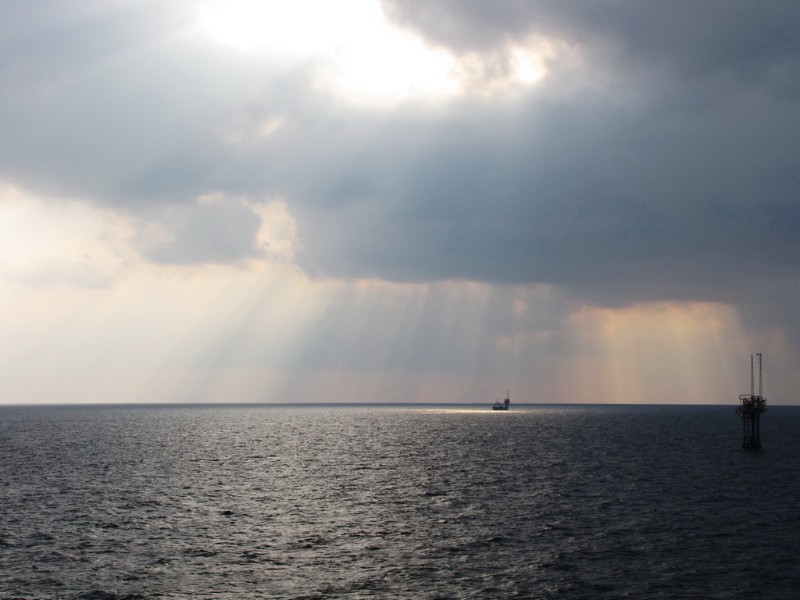 Strait of Hormuz near Bandar Abbas, Iran. Photo: Wikimedia Commons/Ali khodabakhsh
Industry assessments indicate that existing LPG inventories may cover less than two weeks of consumption if incoming cargoes cease entirely.
State refiners Indian Oil Corporation, Hindustan Petroleum Corporation Limited and Bharat Petroleum Corporation Limited have reportedly increased LPG output at select facilities in response to the uncertainty.
Officials have emphasised that strategic reserves provide a temporary buffer.
Puri has previously stated that India’s combined crude and product reserves across strategic storage caverns, refineries, ports and floating storage could cover approximately 74 days of demand.
Within that overall cushion, industry data suggest that dedicated crude caverns hold around 17 to 18 days of demand, while refined fuel inventories account for about 20 to 21 days.
LNG storage reportedly covers roughly 10 to 12 days.
These figures underscore that while reserves offer breathing space, they do not eliminate long-term exposure to prolonged maritime disruption.
Prolonged conflict raises stakes
The broader geopolitical backdrop adds further uncertainty.
US President Donald Trump has warned that the West Asia conflict could last “weeks, not days”, signalling that the shipping freeze may not resolve quickly.
Markets have interpreted these remarks as evidence of sustained risk to regional infrastructure and shipping lanes.
If the Hormuz paralysis extends for weeks, tanker backlogs will deepen, and supply contracts could face widespread delays.
Energy-importing nations would confront mounting price pressures, while exporters would grapple with delivery bottlenecks and logistical constraints.