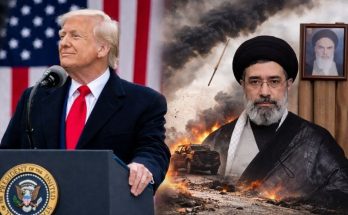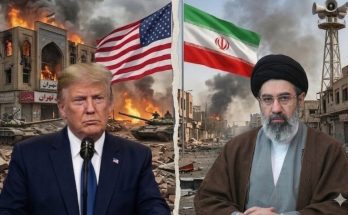
IBNS-CMEDIA: US President Donald Trump has issued a sharp warning to Iran, saying any fast-attack vessels approaching the American naval blockade around Iranian ports will be “immediately eliminated.”
In a post on Truth Social, Trump claimed Iran’s navy had been largely wiped out, alleging that 158 ships had already been sunk during the conflict.
“Iran’s Navy is laying at the bottom of the sea… If any of these ships come anywhere close to our BLOCKADE, they will be immediately ELIMINATED,” he wrote.https://truthsocial.com/@realDonaldTrump/116397847496142849/embed
Blockade around Iranian ports
The warning follows Washington’s announcement of a sweeping naval blockade after failed talks in Islamabad.
The United States said the blockade would apply to all vessels entering or leaving Iranian ports across the Arabian Gulf and the Gulf of Oman, though it would not disrupt traffic through the Strait of Hormuz to non-Iranian destinations.
However, even after the declared start time, there was no immediate confirmation of enforcement or visible maritime interceptions.
Iran on high alert
Iran responded with defiance, placing its military on maximum alert. Acting Defence Minister Seyyed Majid Ibn Reza warned that any aggression would trigger a “harsh and decisive” response.
Tehran also rejected US claims about the effectiveness of the blockade and the scale of damage to its navy.
‘Propaganda’, says Tehran
Senior Iranian lawmaker Alaeddin Boroujerdi dismissed Trump’s statements as “unfounded” and accused Washington of exaggeration.
He argued that the US lacked the capability—and international backing—to enforce a full blockade, particularly in the strategically critical Strait of Hormuz.
Tensions rise despite truce
Iran’s military went further, calling the planned blockade an act of “piracy” and warning that any threat to its ports could destabilise the wider Persian Gulf and Arabian Sea region.
The escalation comes despite a fragile two-week truce agreed between Washington and Tehran to allow space for negotiations—efforts that now appear increasingly at risk of collapse.