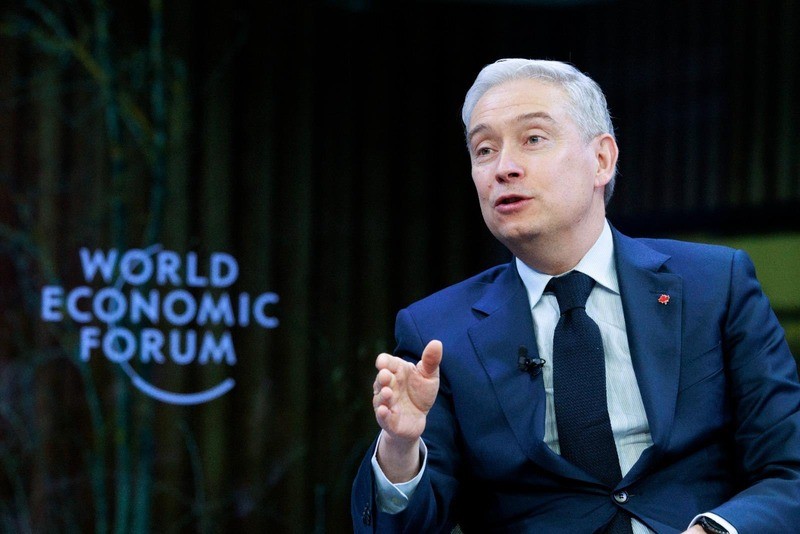
Ottawa/IBNS-CMEDIA: Finance Minister François-Philippe Champagne declared that Canada is “taking back control of our Canadian economy” amid uncertainties surrounding the Canada-United States-Mexico Agreement (CUSMA), emphasising diversification through strengthened ties with Asian trade partners.
Champagne made the remarks during a February 19, 2026, interview on CTV News, responding to reports from The New York Times and Bloomberg about U.S. President Donald Trump considering withdrawal from CUSMA to extract more concessions from Canada.
He stressed Canada’s readiness to negotiate while highlighting the agreement’s vital role for North American competitiveness, noting that Canada buys more from the U.S. than China, Japan, and the UK combined.
Champagne dismissed direct concerns over the reports, focusing instead on global opportunities after recent meetings with European finance ministers.
Canada is actively pivoting to Asia to build economic resilience, with Champagne citing interest from Japanese partners and others eager for more Canadian goods like critical minerals, energy, and natural resources.
This aligns with broader government efforts, including negotiations for a Canada-ASEAN Free Trade Agreement and deals like the Canada-Indonesia CEPA, aiming to boost non-U.S. exports significantly.
Recent initiatives also include a C$5 billion fund to help exporters access new markets amid U.S. tariffs on steel, aluminium, and autos.
Champagne noted Canada’s growing global influence, such as being invited to the Eurogroup meeting in Brussels as a transatlantic voice, underscoring the shift away from over-reliance on the U.S.
He described the Canadian economy as more resilient than expected, despite trade war pressures forcing a “reinvention” through new markets and industries.
These steps come as Indo-Pacific trade, already Canada’s second-largest at over $260 billion, represents untapped potential beyond its current 10% of exports.
(Reporting by Suman Das)