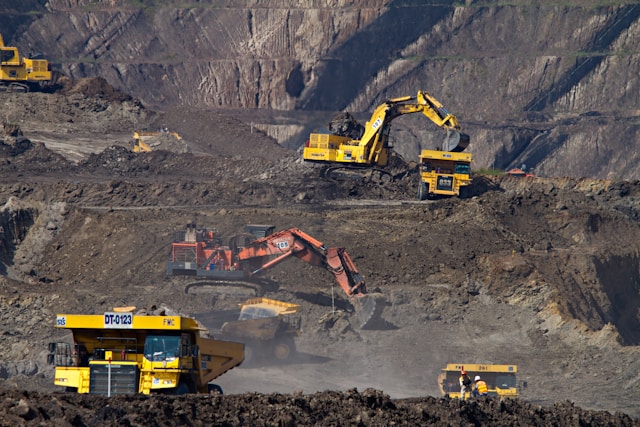
Ottawa/CMEDIA: Canada’s reportedly rich critical mineral resources with its key inputs for clean technologies such as batteries, wind turbines, electric vehicles and solar panels present a major economic opportunity, including for Indigenous Peoples across Northern Ontario.
Canada is committed to Indigenous participation in building a more competitive, inclusive and sustainable economy.
A total investment of over $850,000 in 14 Indigenous economic development projects across Canada has been announced by Patty Hajdu, Minister of Jobs and Families and Minister responsible for the Federal Economic Development Agency for Northern Ontario (FedNor).
“Supporting Indigenous-led initiatives goes beyond economic reconciliation. Northern Ontario is stronger when Indigenous leadership and knowledge help shape our shared future, creates good jobs, and builds sustainable economies, and partnerships across the region,” Patty Hajdu has said.
Besides supporting engagement, capacity-building and knowledge-sharing activities tied to critical minerals–related clean energy and transportation infrastructure projects, this funding will also create opportunities that respect traditional territories and strengthen local economies will support shared prosperity and Indigenous-led growth across Northern Ontario.
“Investments like these build the foundation for a stronger and more competitive resource sector…create opportunities for Indigenous Peoples’ leadership and create the good jobs Canadian workers deserve, right here in Canada,” Tim Hodgson, Minister of Energy and Natural Resources has said.
The infrastructure and partnerships required to secure a strong, sustainable and sovereign Canada would be built with the joint efforts of the federal government, Indigenous Peoples and local workers and businesses.
“Canada is proud to invest in critical minerals development that supports Indigenous participation…advancing reconciliation and strengthening global partnerships through responsible resource development across the country,” Claude Guay, Parliamentary Secretary to the Minister of Energy and Natural Resources has said.
While advancing the development of critical mineral resources and related value chains to support advanced technology and manufacturing and drive the transition to a low-carbon economy, the Canadian Critical Minerals Strategy initiatives are also implemented and refined in collaboration with provincial, territorial, Indigenous, industry and other Canadian and international partners.
Given that many proposed projects in mining development and its related infrastructure would take place on traditional Indigenous territories and treaty lands, Indigenous engagement is crucial.
The Critical Minerals Infrastructure Fund (CMIF) Indigenous Grants fund engagement, capacity building and knowledge-gathering and -sharing activities related to clean energy and transportation projects enable critical minerals development.
The CMIF currently offers two avenues for support:
- Grants to support Indigenous engagement, participation and capacity building related to infrastructure projects that would enable critical minerals development
- Contribution funding for preconstruction activities and shovel-ready infrastructure projects
The creation of the First and Last Mile Fund (FLMF) is built on the success of the CMIF, Budget 2025 will expand support across multiple segments of value chains, from mine site development to midstream processing and onward with a total investment of $1.5 billion over the next four years, starting in 2026–2027.
Included in this fund will be enhanced funding to support Indigenous engagement, leadership and participation in critical minerals development furthering the reconciliation journey by recognition that the development of energy and natural resources in Canada takes place on traditional territories and land.
FLMF is part of a broader strategy by the Mark Carney-led government to boost Canada’s critical minerals sector, reduce reliance on other nations, and enhance the economy through strategic infrastructure investment. It is a Canadian federal initiative proposed in Budget 2025, allocating over $370 million to build crucial transportation links accelerating resource development, and integrating Indigenous involvement.