Toronto/CMEDIA: A new kindergarten curriculum has reportedly been unveiled by Ontario that will teach children as young as three years old fractions, coding and grammar.
An announcement of Wed by the provincial government termed the curriculum a “back to the basics” approach with an emphasis on reading, math, writing and science and technology that will better prepare students for Grade 1.
According to a spokesperson for Education Minister Paul Calandra the ministry was instructed to pause the introduction of the revised kindergarten curriculum by one year specifically to provide educators with the time, training, and support needed for “effective implementation.”
Formal training would be provided to the teachers early next year on the new curriculum effective from Sept 2026.
“The revised curriculum is being released months in advance of September to ensure teachers have ample time to review the curriculum and prepare ahead of implementation, with additional resources and training available in the new year to support classroom delivery across the province,” the spokesperson said in an emailed statement.
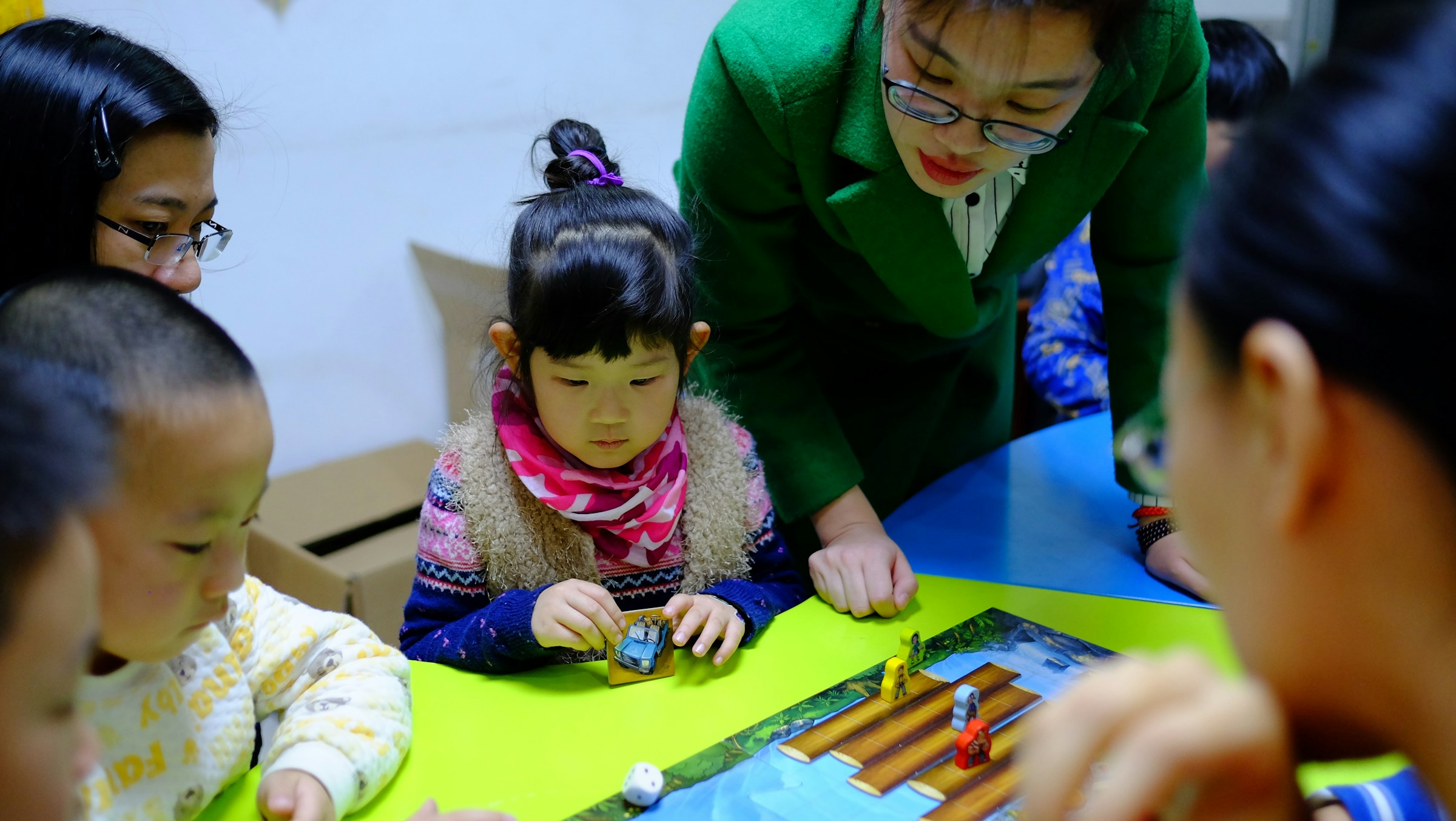
“The curriculum will support each child in developing foundational reading, writing and math skills, while maintaining play-based learning that allows students to learn through play.”
The four strands of the curriculum will be foundations of language and mathematics, problem solving and innovating, self-regulation and well-being and belonging and contributing, noted the Ministry of Education’s website.
Introducing language conventions, including grammar, sentence structure, and vocabulary, the curriculum would also expect Students to develop early reading and writing skills through “evidence-based systematic instruction.”
The new curriculum would also expect the students, the province stated, to learn basic math skills earlier, including key milestones for counting, estimating, comparing, exploring number relationships to 20, and adding and subtracting to 10.
Also expected to develop a “foundational understanding of fractions by solving equal-share problems,” students will also learn to sort objects or data using one attribute.
Children will be expected to learn to give and follow directions for moving from one location to another, and to describe two-dimensional shapes and three-dimensional objects, and the location and movement of people and objects.
Students will also be introduced to coding by “creating a sequence of steps and creating and following instructions involving movement,” and learn to use an inquiry process to answer questions and explore solutions to problems, adding that “students will conduct scientific investigations and engage in engineering design.”
Here’s what children may learn in their kindergarten classrooms starting Fall 2026:
Language:
- Speaking, listening, and using facial expressions, gestures and body language to communicate
- Word reading and spelling
- Vocabulary
- Reading fluency and comprehension
- Applying knowledge of letters, words and sentences to create simple texts
Math:
- Understanding numbers, including counting and exploring number relationships to 20
- Adding numbers to 10 and related subtraction
- Sharing equally
Science and technology:
- Performing scientific investigations to gain knowledge about the world around them
- Using engineering design to create something new or different
- Using innovative thinking to solve problems
- Using coding to help them think in different ways, solve problems and create